
When you need a clearing or grading permit in Washington, which thresholds trigger one, and how requirements differ across Snohomish, King and Pierce County.
Few parts of a site project cause more expensive surprises than permits. The rules governing when you can clear vegetation or move earth in Washington are genuinely complicated, they differ from one jurisdiction to the next, and getting them wrong can halt a project and trigger fines that dwarf the permit cost.
This is a plain-language overview of how clearing and grading permits work in Washington, and why the answer to “do I need one?” is so often “it depends.”
Two Different Permits, Two Different Triggers
People use “clearing and grading” as a single phrase, but they are usually two separate approvals governing two different activities.
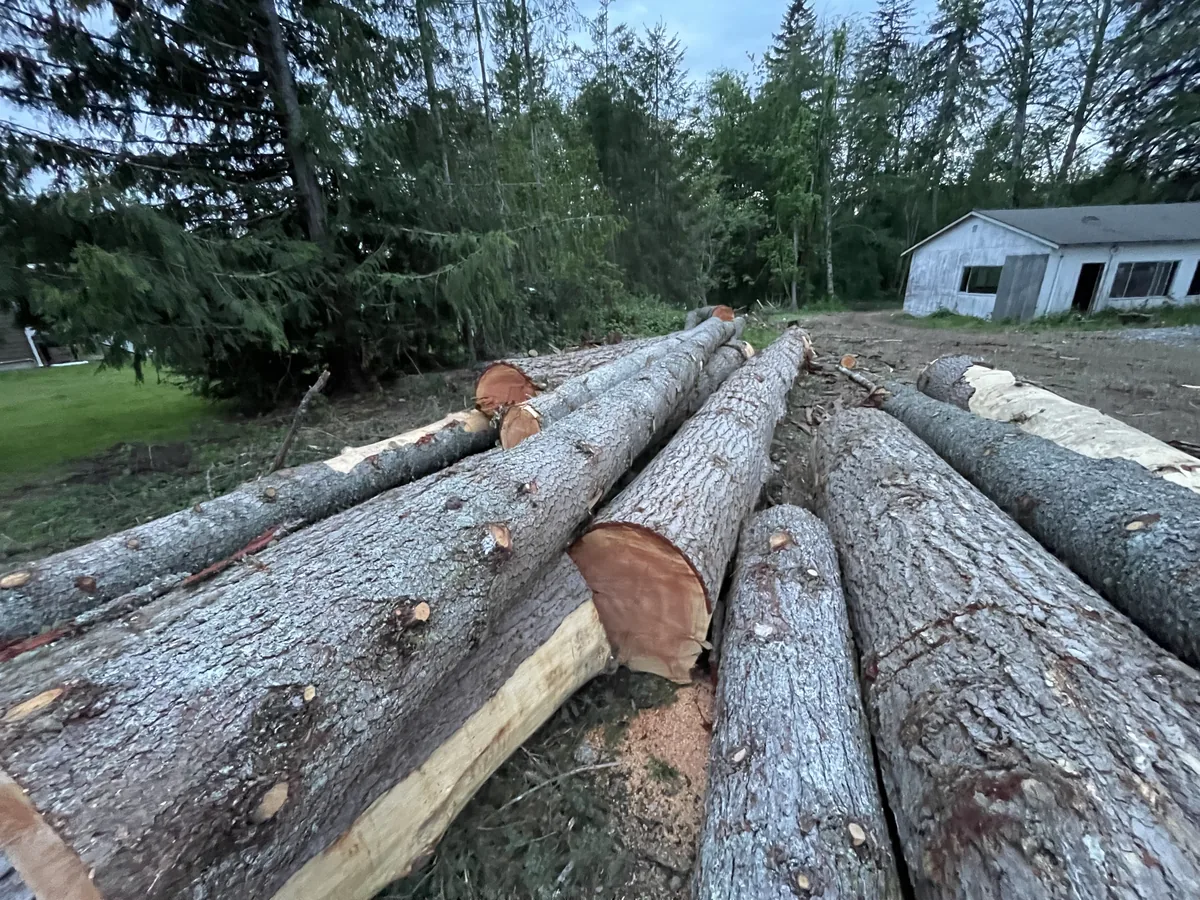
A clearing permit governs the removal of vegetation — trees, brush and ground cover. It exists to control erosion, protect critical areas and habitat, and manage tree retention where local code requires it.
A grading permit governs moving earth — cutting into ground, filling over it, and reshaping the surface. It exists to ensure earthwork is stable, drains correctly, and does not send sediment or runoff onto neighbouring property or into waterways.
Many projects trigger both. Some jurisdictions combine them into a single land-disturbing activity permit; others keep them entirely separate. Either way, the activity determines the requirement — and the thresholds that trigger each are rarely the same.
The Thresholds That Trigger a Permit
Most jurisdictions set volume or area thresholds. Move less than the threshold and you may not need a permit; exceed it and you do. Common triggers include:
- Volume of earth moved, often expressed in cubic yards of cut or fill
- Area of ground disturbed, expressed in square feet or acres
- Depth of cut or height of fill, particularly where it approaches a slope or property line
- Proximity to a critical area — wetlands, streams, steep slopes and their buffers
That last trigger is the one that catches people out. Near a critical area, the ordinary volume thresholds often do not apply — a permit and an assessment can be required for disturbance that would be exempt anywhere else on the property. The buffers extend further than most people expect.
Why the County Line Matters
Washington delegates most of this to local jurisdictions, and they do not administer it identically. A project in unincorporated Snohomish County answers to the county code. Cross into Everett, Edmonds or Marysville and you answer to that city’s code instead — with different thresholds, different application processes and different review timelines.
Snohomish County
Unincorporated Snohomish County administers clearing and grading through its land-disturbing activity provisions, with critical-area regulations layered on top. Its incorporated cities each run their own.
King County
King County and its cities enforce some of the more stringent clearing and grading standards in the state, driven by dense development, salmon-bearing streams and steep terrain. North King cities near the Snohomish line each maintain their own code.
Skagit County
Skagit’s agricultural land, delta soils and floodplain areas add considerations less common elsewhere. Floodplain rules in particular can govern fill in ways that surprise people used to upland sites.
Pierce County
Pierce County and its cities administer their own clearing and grading regulations, again with critical-area and stormwater overlays that vary by location.
The practical takeaway: a permitting approach that worked on a previous project in one city does not automatically transfer to the next town over. Each site starts with confirming which jurisdiction governs it and what that jurisdiction requires.
What a Permit Application Usually Involves
Requirements scale with project size, but a grading permit application commonly includes:
- A site plan showing existing and proposed grades
- A grading plan with cut and fill volumes and cross-sections
- An erosion and sediment control plan for during construction
- A stormwater or drainage plan where the disturbance is large enough to trigger review
- A critical-area assessment where wetlands, streams or steep slopes are present
- Engineered plans stamped by a licensed engineer for larger or more complex work
Smaller residential grading may need only a subset. Commercial and multi-acre work usually needs all of it, plus review cycles that take time.
The Cost of Getting It Wrong
Clearing or grading without the required permit is not a minor administrative oversight. Jurisdictions can and do issue stop-work orders, halting the entire project until the situation is resolved. Fines frequently run to many times the cost of the permit itself. And unauthorised disturbance — especially within a critical-area buffer — can trigger a mandated restoration or replanting plan, with ongoing monitoring, that costs far more than doing it correctly would have.
The uncomfortable reality is that “we did not know we needed a permit” is not a defence, and undoing unpermitted work is almost always more expensive than permitting it would have been.
How to Get It Right
The approach that avoids trouble is straightforward:
- Confirm the jurisdiction — county or city, and which code governs the site
- Identify critical areas early — wetlands, streams and steep slopes change everything
- Map the full permitting path before scheduling — treat approval as a predecessor, not a parallel task
- Budget the timeline honestly — permitting often takes longer than the physical work
- Work with a contractor who navigates this regularly — familiarity with local permit desks is worth real money
DirtRaptor works across Snohomish, King, Skagit and Pierce County and handles clearing and grading within each jurisdiction’s requirements. We identify which permits apply during the site walk, before anything moves. For a project assessment, request a quote.
Frequently Asked Questions
Do I need a permit to grade my own property in Washington?
+
Often, yes. Most Washington jurisdictions require a grading permit once you move more than a set volume of earth or disturb more than a set area — commonly in the range of 50 to 500 cubic yards depending on the county or city. Work near critical areas, on steep slopes, or in a floodplain can require a permit at a far lower threshold, sometimes for any disturbance at all.
What is the difference between a clearing permit and a grading permit?
+
A clearing permit governs the removal of vegetation and trees; a grading permit governs moving earth — cut, fill and the reshaping of ground. Many projects need both, and some jurisdictions bundle them into a single land-disturbance approval. The trigger thresholds and review processes are usually separate even when the application is combined.
How long does a grading permit take to approve in Washington?
+
It varies widely. A straightforward residential grading permit may be issued in a couple of weeks. A commercial project requiring stormwater review, critical-area assessment or engineered plans can take months. Because the timeline is unpredictable and often long, permitting should begin before any other project milestone depends on it.
What happens if I clear or grade without a permit?
+
The consequences can be severe: stop-work orders, fines that often exceed the cost of the permit many times over, and mandatory restoration or replanting plans. Clearing within a critical-area buffer without approval is treated especially seriously and can carry ongoing monitoring requirements. It is far cheaper to confirm the requirement first.
Related Services
